
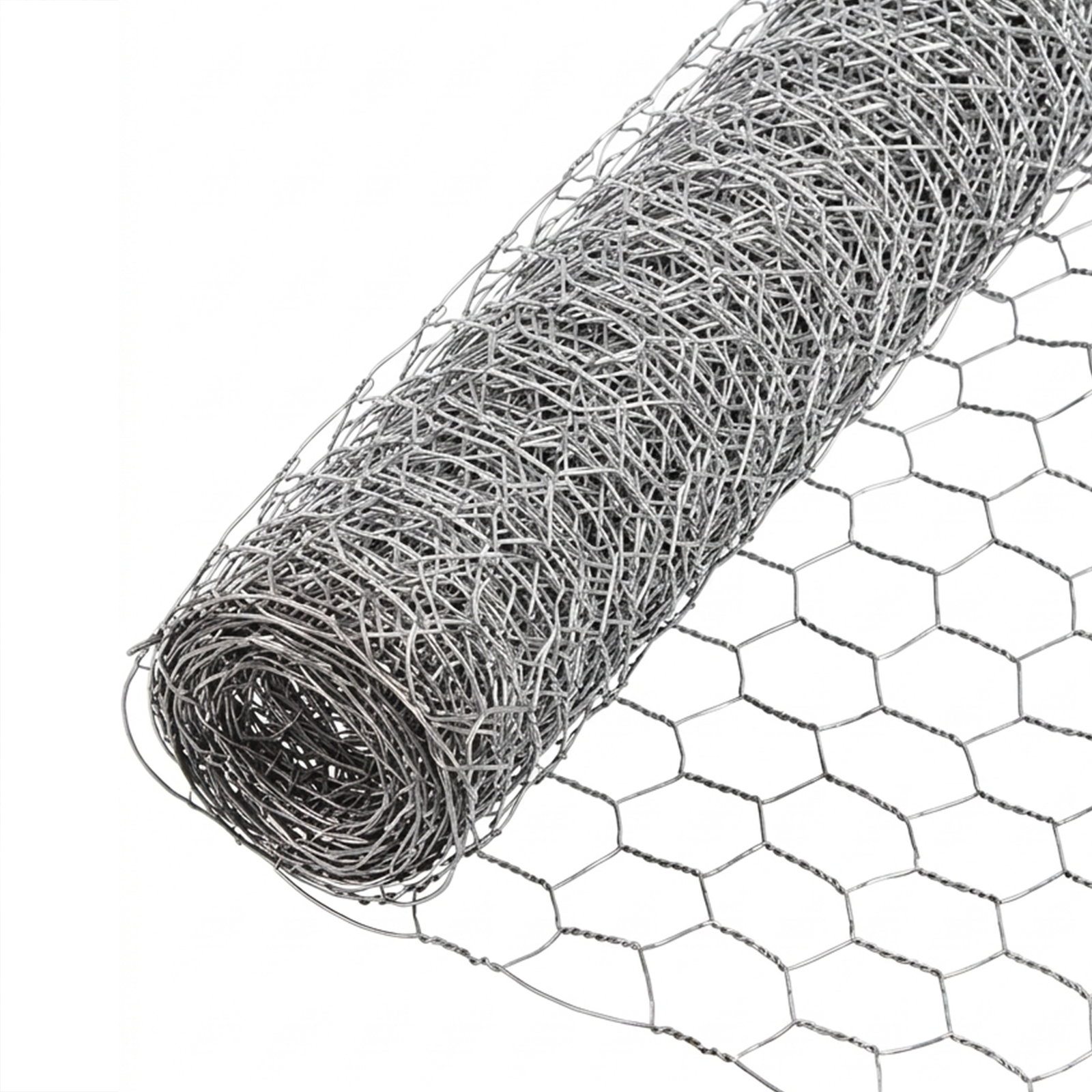
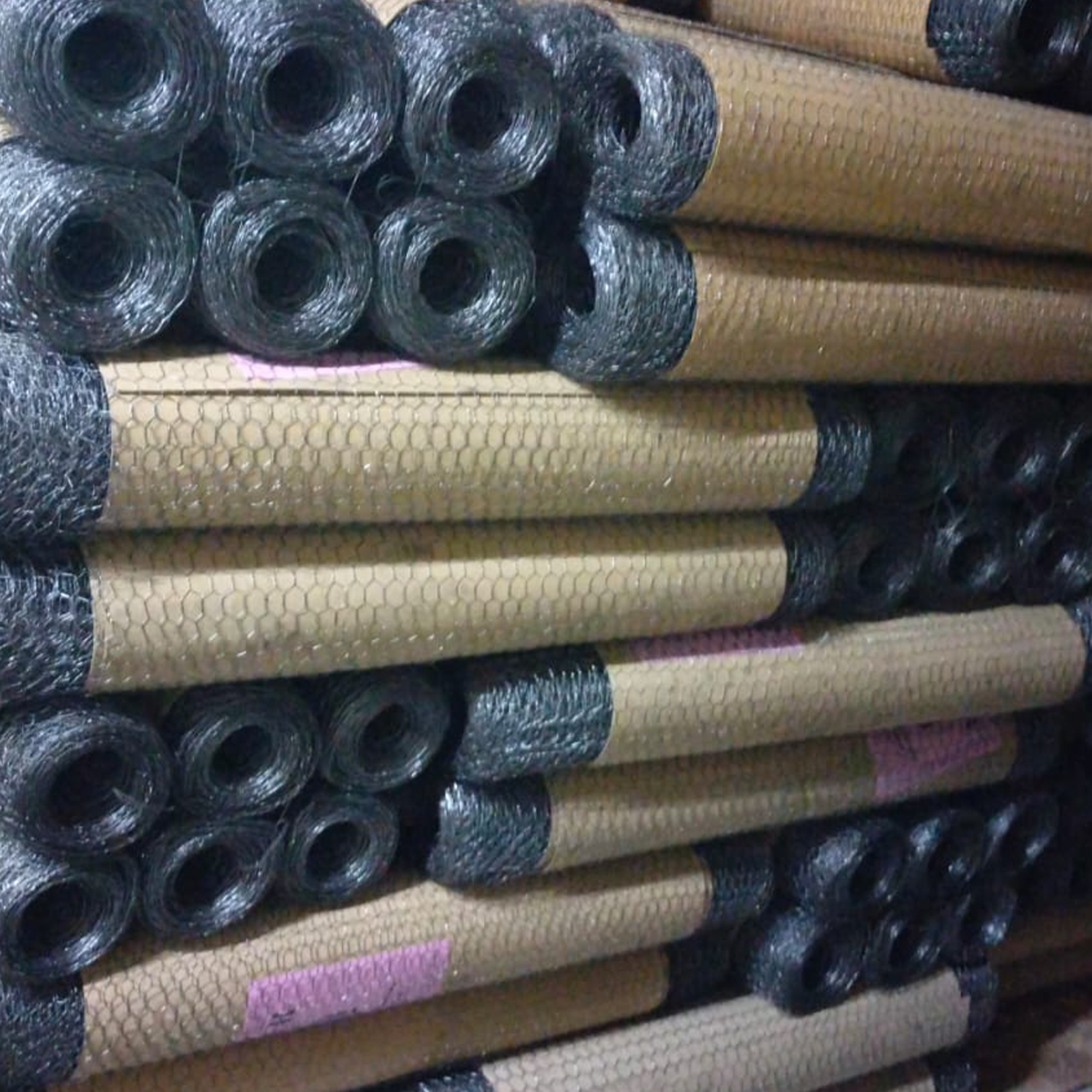
Generic Chicken Wire Mesh (Hexagonal Wire Netting) is a versatile, professional-grade galvanized steel mesh widely used by masons, contractors, and builders across Bangalore for plaster reinforcement, wall crack prevention, concrete screeding, and boundary fencing. Its hexagonal pattern distributes stress evenly across the plastered surface, significantly reducing the risk of shrinkage cracks in new construction and renovation projects.
At 20 gauge (0.8 mm ? 0.9 mm thickness), the mesh provides the ideal balance of strength and flexibility ? strong enough to reinforce plaster and mortar layers, yet easy to cut, shape, and fix to masonry, brick, AAC block, and concrete surfaces. The galvanized coating ensures long-term corrosion and rust resistance even in Bangalore’s humid monsoon conditions.
Each roll contains 14 metres of mesh at 3-foot (36-inch) height ? well suited for small-to-mid residential repairs, pillar reinforcement, column-to-wall junctions, and agricultural fencing projects.
Technical Specifications (Quick Reference)
Specification
Details
Material
High-quality galvanized steel
Mesh Type
Hexagonal Wire Netting (Chicken Wire)
Height
3 Feet / 36 inches (Standard)
Gauge / Thickness
20 Gauge (0.8 mm ? 0.9 mm)
Pack Weight
2 kg
Roll Length
14 metres
Coating
Galvanized ? rust and corrosion resistant
Applications
Plaster reinforcement, wall crack prevention, concrete screeding, fencing, insulation cladding
Recommended Applications
Plaster Reinforcement: Prevents shrinkage cracks in wall and ceiling plastering for new construction and renovation ? the most common use on Bangalore construction sites
AAC Block & Brick Junction Reinforcement: Bridges the interface between dissimilar materials (brick, AAC block, RCC column) where differential movement causes cracking
Concrete Screeding: Adds tensile reinforcement to thin floor screed and topping layers to improve strength and prevent cracking
Industrial Pipe & Boiler Insulation: Wraps around pipes, ducts, and boilers to hold insulation materials firmly in place
Boundary & Poultry Fencing: Cost-effective perimeter fencing for residential plots, agricultural land, and poultry enclosures
Garden & Landscape Protection: Protective barriers around plants, saplings, and garden beds against animals and pests
Installation Guidelines
Measure and Cut: Measure the required area and use wire snips or pliers to cut the mesh to the desired length. Wear gloves ? cut wire edges are sharp
Surface Preparation: For plastering, ensure the brickwork or block surface is clean, free of dust and loose material, and lightly dampened before fixing the mesh
Secure the Mesh: Fix the mesh tightly to the surface using U-nails or staples spaced every 6?8 inches, ensuring no bulges or loose sections remain. For metal frames, use 20-gauge binding wire at multiple tie points
Overlap Joins: When joining two sections cut from the roll, overlap edges by at least 1?2 inches (minimum 3 hexagonal cells) and tie securely to maintain continuous reinforcement strength
Apply Plaster: Apply the first coat of plaster directly over the fixed mesh, ensuring mortar fully penetrates the hexagonal gaps for a complete mechanical bond. Embed the mesh in the middle of the plaster layer ? not at the surface
Reviews
There are no reviews yet